Merkel’s Tenuous Pact with America in the Age of Trump

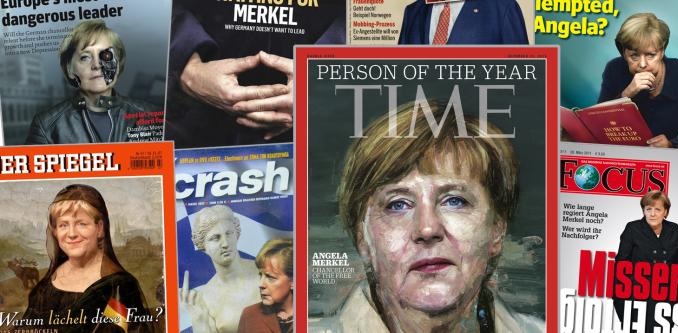
Upon taking office, German Chancellor Angela Merkel (CDU) decided to make “a pact with America the cornerstone of her foreign policy,” reorienting Germany away from Russia and back towards the United States.[1]

This pact has become increasingly tenuous after the election of Donald Trump as this year’s Berlin Foreign Policy Forum demonstrated.

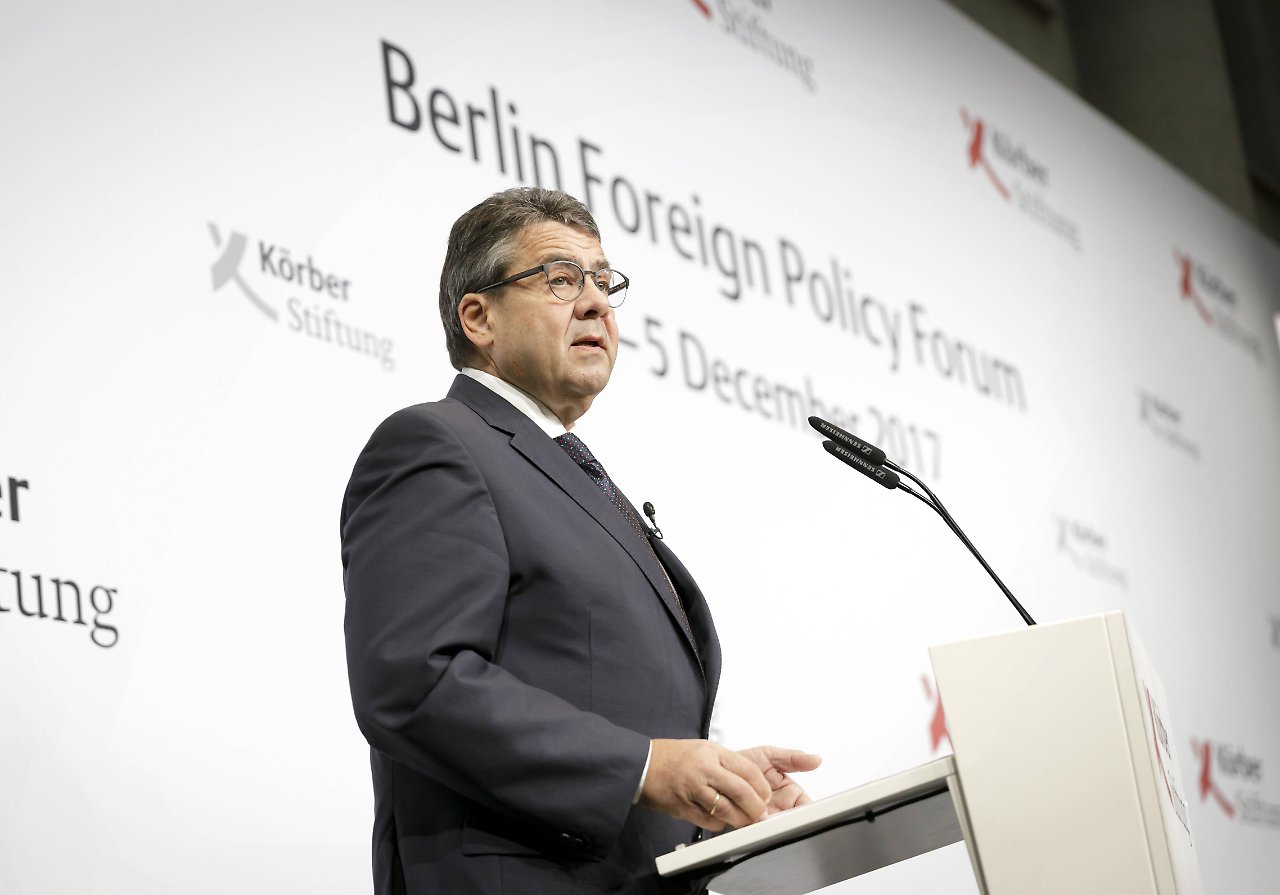
The Berlin Foreign Policy Forum is an annual event hosted by the Körber Foundation in cooperation with Germany’s Federal Foreign Office, bringing together politicians, government representatives, foreign policy experts and journalists to discuss German foreign policy and Germany’s role in the world.[2]

German Foreign Minister Sigmar Gabriel (SPD) opened this year’s forum with an unprecedented attack on Merkel’s pact with America, telling the audience: “Germany cannot afford to wait for decisions from Washington, or to merely react to them. We must lay out our own position and make clear to our allies where the limits of our solidarity are reached.”[3]

Read the full article on Newsbud

This article was published on December 7, but I forgot to share it here.
Germany Protects Gülen Movement from Erdogan

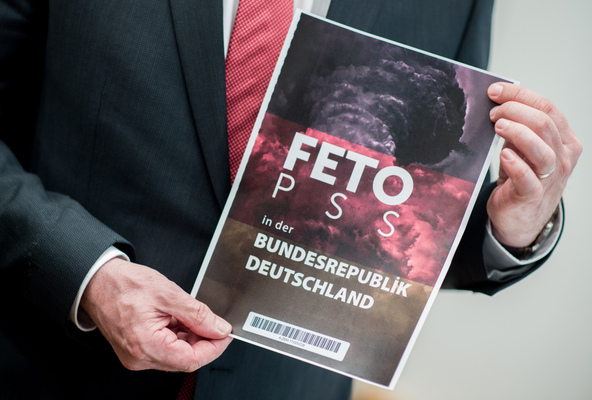
German-Turkish relations keep plummeting as Berlin and Ankara argue over the threat posed by U.S.-based Turkish preacher Fethullah Gülen and his movement, but there is more to the latest dispute than meets the eye.

In recent weeks, tensions have been running high between Germany and Turkey due to Turkish President Recep Tayyip Erdogan’s referendum campaign. Disagreements over the Gülen movement are now adding fuel to the fire.

On March 27, as Turkish citizens living in Germany began casting their ballots in Turkey’s constitutional referendum, German media dropped a bombshell.

Read the full article on Newsbud

Merkel’s Message to US: NATO is not ‘Obsolete’ – and neither is the Russian Boogeyman

German Chancellor Angela Merkel and Defense Minister Ursula von der Leyen used the 53rd Munich Security Conference to send a message to the new U.S. administration: NATO is not “obsolete” – and neither is the Russian boogeyman! 

“There can be no policy of equidistance between allies on one side and those who on the other question our borders, our values and the principles of international law,” Defense Minister von der Leyen said to applause at the Munich Security Conference.

Read the full article on Newsbud

The New Great Game Round-Up: January 18, 2016

The Great Game Round-Up brings you the latest newsworthy developments regarding Central Asia and the Caucasus region. We document the struggle for influence, power, hegemony and profits between a U.S.-dominated NATO, its GCC proxies, Russia, China and other regional players.

Georgia's Main Opposition Party Splits but the Drama Ain't Over

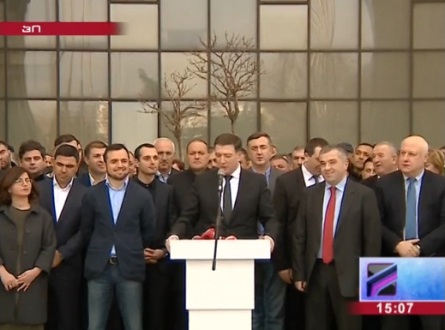
Georgia's largest opposition party, the United National Movement (UNM), has split amid disagreements over the role of UNM leader and former President Mikheil Saakashvili, who gave up his Georgian citizenship for a new political career in Ukraine.

Leading UNM members who regard Saakashvili as a liability announced last week that they would leave the party and start a new political movement to challenge the Georgian Dream government.
Read more

The Anis Amri Timeline: How German Authorities Allowed a Well-Known Terrorist Suspect to Strike Berlin

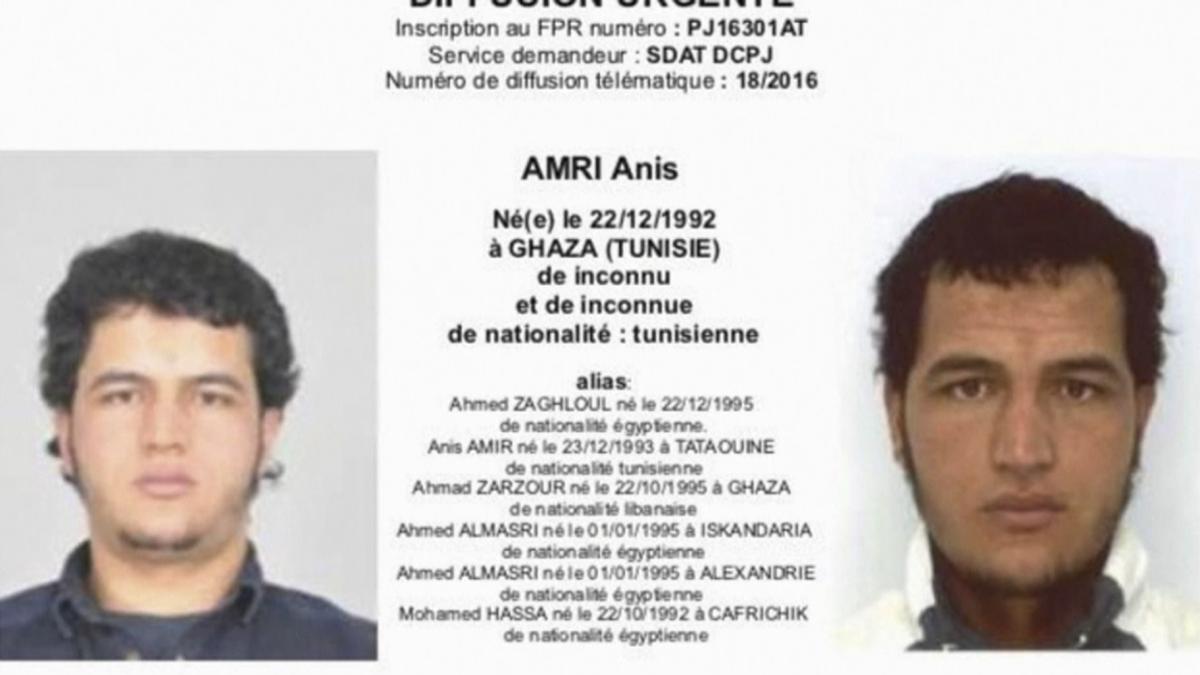
As more details emerge about last month’s Berlin Christmas market attack, German authorities are struggling to explain why they failed to prevent the attack despite knowing full well that Anis Amri was a ticking time bomb.

“The attack was carried out by a man whom security officials across Germany were very well aware of,” North Rhine-Westphalia’s Interior Minister Ralf Jäger acknowledged at a January 5 meeting of the state’s parliamentary interior committee in Düsseldorf.[1]

Read the full article on Newsbud

The New Great Game Round-Up: December 14, 2016

The Great Game Round-Up brings you the latest newsworthy developments regarding Central Asia and the Caucasus region. We document the struggle for influence, power, hegemony and profits between a U.S.-dominated NATO, its GCC proxies, Russia, China and other regional players.

Russia Stepping Up its Game in Tajikistan to Counter Chinese Competition

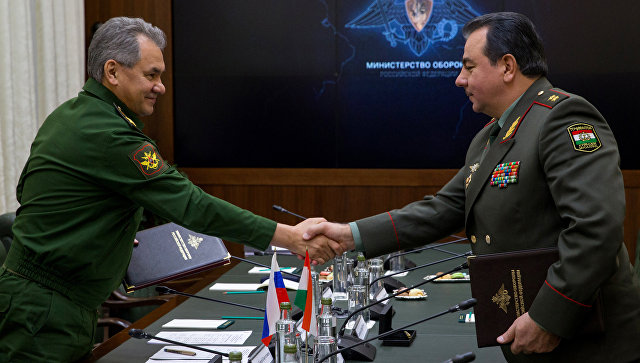
At the end of November, Russian Defense Minister Sergei Shoigu announced that Russia will supply Tajikistan with “large quantities” of military aircraft over the next year, indicating that China's growing influence in Tajikistan has not gone unnoticed in Moscow.

As defense ministers of the Commonwealth of Independent States (CIS) gathered in the Russian capital for a regular meeting, Shoigu and his Tajik counterpart Sherali Mirzo signed a defense cooperation plan for 2017.
Read more

The World’s Biggest Hostage Crisis Comes to an End

As Syrian government forces recapture more parts of eastern Aleppo, many civilians are risking their lives to flee the besieged opposition-controlled areas, telling the world that the so-called “rebels” stop at nothing to prevent people from leaving.

The Syrian government and its Russian allies have long accused armed opposition groups in Aleppo of holding civilians hostage, whereas western governments and media have been promoting a different narrative in tune with “rebel” and “activist” sources. This narrative is now falling apart.

Read the full article on NewsBud

The New Great Game Round-Up: November 30, 2016

The Great Game Round-Up brings you the latest newsworthy developments regarding Central Asia and the Caucasus region. We document the struggle for influence, power, hegemony and profits between a U.S.-dominated NATO, its GCC proxies, Russia, China and other regional players.

China Urges Turkey to Extradite Embassy Bombing Suspects to Kyrgyzstan

Three months after the Chinese Embassy in Bishkek was hit by a suicide car bomber, Kyrgyz authorities are still trying to catch several suspects accused of ordering, financing and preparing the attack.

The trace leads to Turkey, but Kyrgyzstan's suspect list has left more questions than answers.

On September 6, Kyrgyzstan's State Committee for National Security (GKNB) identified the suicide bomber as an ethnic Uyghur carrying a Tajik passport with the name Zoir Khalilov. According to the GKNB, he was a member of the East Turkestan Islamic Movement (ETIM) in Syria.
Read more

The Disastrous Track Record of the New ‘Leader of the Free World’

Donald Trump’s surprise victory in the U.S. presidential election came as a shock to many, including German Chancellor Angela Merkel.

Merkel has made no secret of her admiration for Hillary Clinton. “I admire her strategic thinking and her strong commitment to the trans-Atlantic partnership,” Merkel told Germany’s Bild am Sonntag newspaper in an interview earlier this year. “Whenever I was able to work with Hillary Clinton, it was a great pleasure.”[1]

But instead of congratulating her old friend Hillary, the German Chancellor was forced to congratulate Republican candidate Donald Trump on winning the U.S. presidential election.

Read the full article on NewsBud

The New Great Game Round-Up: November 14, 2016

The Great Game Round-Up brings you the latest newsworthy developments regarding Central Asia and the Caucasus region. We document the struggle for influence, power, hegemony and profits between a U.S.-dominated NATO, its GCC proxies, Russia, China and other regional players.

Turkish-Russian Rapprochement bodes ill for NATO's Chechen 'Rebels'

Long before NATO member Turkey started flooding neighboring Syria with arms and fighters, the country already played a major role in destabilizing Russia's North Caucasus with a similar approach. Back in the day, the Syrian rebels” were called “Chechen rebels” and NATO was doing its best to support them.

The Turkish government generously provided refuge to Chechen fighters and refugees, using them later as cannon fodder in Syria or as bargaining chips vis-à-vis Russia.

Read more

Design a site like this with WordPress.com
Get started