New Zealand: Vaporiser Delivered to Ngāwhā Geothermal Power Station

Monster power station load sets Northland record (New Zealand Herald)

(Photo / Tom Zink)
The largest single part of a geothermal power plant being built near Kaikohe has arrived on site after a six-hour trip from Northport near Whangārei.
The 130-tonne, 21.5-metre-long vaporiser was transported on a 144-wheel trailer pulled and pushed by three heavy-haulage trucks, arriving just before dawn on January 15.
The vaporiser dwarfs even the three heat-exchangers, each of which weighed 90 tonnes, which have been transported to the power station site over the past month. It also sets a new record for the heaviest object transported on Northland roads in recent times.
The Top Energy plant is expected to produce 32 MW of power once fully operational later this year. The company’s existing Ngāwhā geothermal power station produces 25 MW.
A Top Energy spokeswoman said the three heat exchangers would be used to transfer heat from the geothermal fluid to liquid pentane. The hot geothermal fluid is extracted from wells drilled into New Zealand’s second biggest geothermal field.
The pre-heated pentane would then enter the vaporiser where it would turn into a high-pressure gas used to drive the turbines and generate electricity.

From the Global Geothermal News archives:

Canada: DEEP Begins Drilling of Five Wells at Estevan Geothermal Power Project

DEEP Geothermal Delineation Drilling In Progress (News Release)

(Video 5:02 Minutes)

DEEP Earth Energy Production Corp. has announced that the 2019-2020 winter drilling and testing program is underway. DEEP intends to drill up to 5 stratigraphic wells by the end of March 31, 2020, to  further define the field’s geothermal reservoir parameters.

Drilling contracts have been awarded to Saskatchewan based Panther Drilling Corporation. The first of these new wells, Border-02A, was completed in December. It was drilled from the same surface location as DEEP’s first well, Border-01, directionally to the southwest with a bottom hole located 1,500 metres from Border-01. It was drilled to a depth of 3,834 metres measured hole depth, (3,490 metres true vertical depth from surface).

Read More……….

USA, Nevada: Geothermal Event! GRC Annual Meeting Venue Earns Energy Star Certification

Peppermill Receives EPA Energy Star Certification (KTVN)

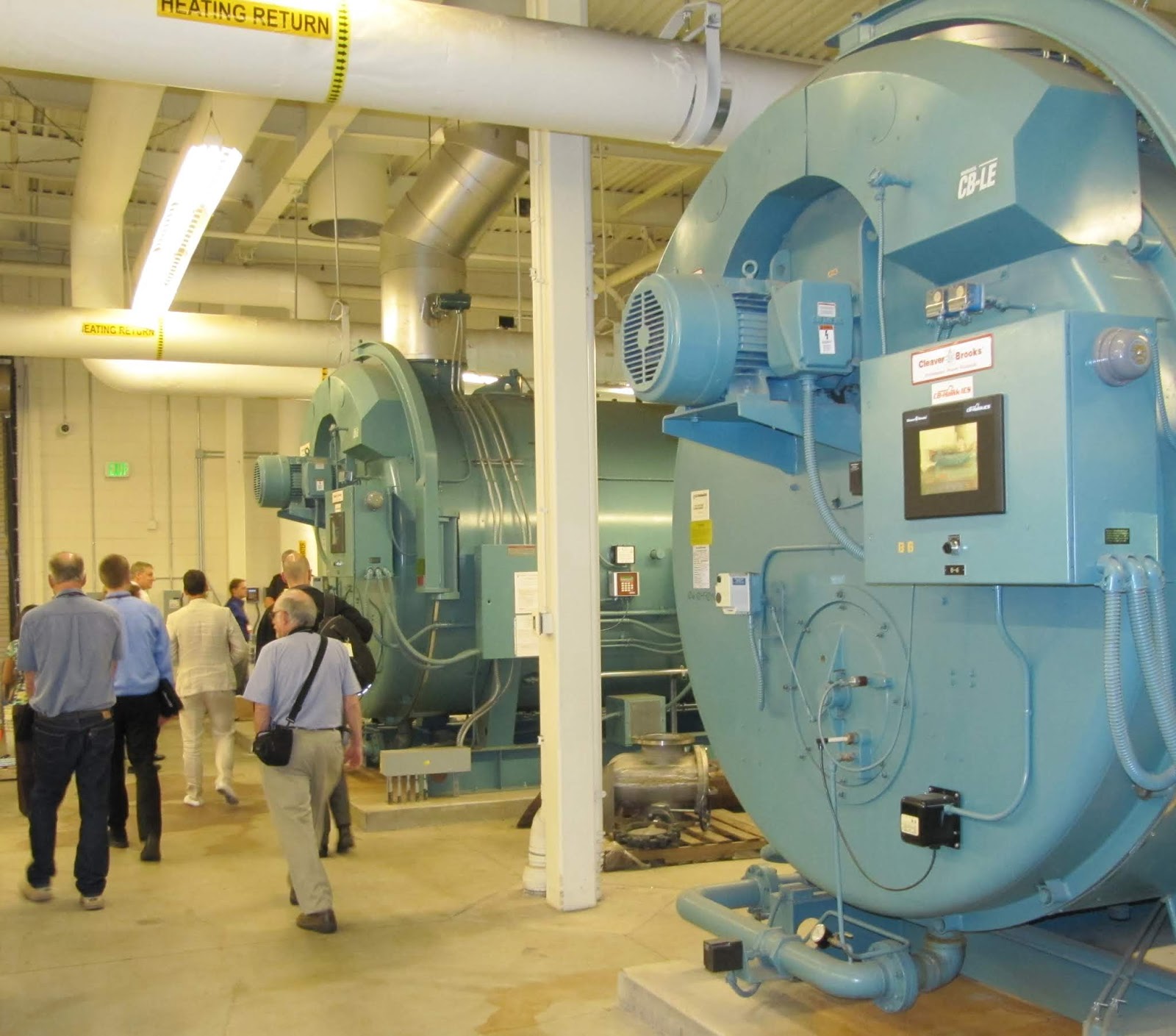
Attendees at the 2012 GRC Annual Meeting take
 a tour of the Peppermill geothermal heat plant.
(Photo by Ian Crawford)

Reno’s Peppermill Resort Spa and Casino has earned the Environmental Protection Agency‘s Energy Star certification for energy performance. A big part of that is due to the resort’s onsite geothermal plant. It taps into the resources underneath the property.

“We take the geothermal out of the ground, we pump it to here we exchange the heat into a water source that we can circulate through the building,” said John Kassai, Central Plant Manager for the Peppermill. “Then we take the geothermal, put it back in the ground across the property and we use the hot water and circulate it throughout the whole property.”

They use it to heat the buildings, the pools, and the parking ramps in the winter. “As far as I know we’re the largest single use geothermal provider in the nation,” Kassai said. The Peppermill’s energy score puts it in the top 10 percent of hotels in the country.

Read More……….

The 44th GRC Annual Meeting & Expo will be held 18-21 October at the Peppermill Resort Spa & Casino, Reno, Nevada, USA. Tours of the geothermal heat plant will be provided.

Italy: Emilia-Romagna Utility Takes Over Casaglia Geothermal Plant

A Hera la gestione della centrale geotermica di Casaglia – Hera manages the Casaglia geothermal power plant (News Release)

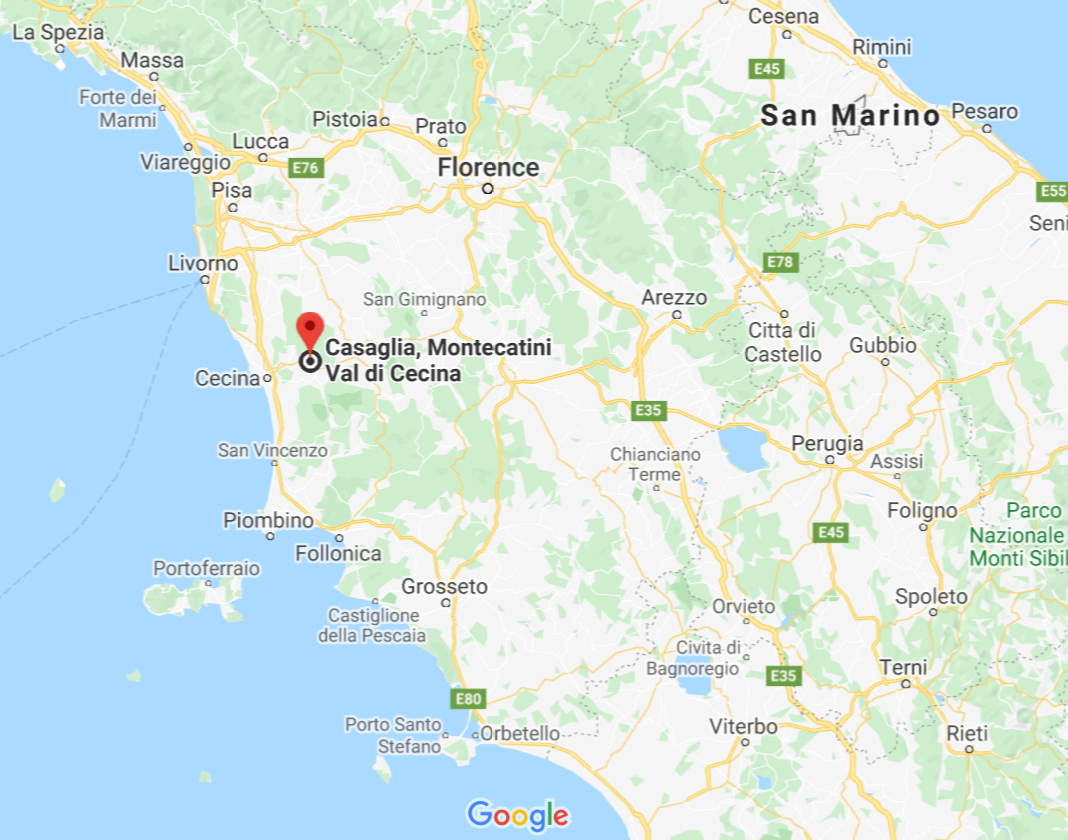
Negli ultimi giorni dello scorso anno, il Gruppo Hera (associata assieme ad Enel Green Power in un Raggruppamento Temporaneo di Imprese (RTI) specificamente creato) ha rilevato la centrale geotermica di Casaglia, dopo che a fine settembre 2017 la medesima RTI aveva ottenuto la concessione per la coltivazione del giacimento geotermico presente nel sottosuolo ferrarese.

(From Google Translate) In the last days of last year, the Hera Group (associated together with Enel Green Power in a specifically created Temporary Grouping of Companies – RTI) took over the Casaglia geothermal plant. Previously, at the end of September 2017 the same RTI had obtained the concession for development of the geothermal resource in the Ferrara underground.

Lire la suite………                              Read More………

Climate Change: Investment in Geothermal Energy Can Help Oil & Gas Companies Transition to Low-Carbon Electricity Production

Oil and gas industry needs to step up climate efforts now (IEA)

Oil and gas companies are facing a critical challenge as the world increasingly shifts towards clean energy transitions. Fossil fuels drive the companies’ near-term returns, but failure to address growing calls to reduce greenhouse gas emissions could threaten their long-term social acceptability and profitability.

Whatever path the world follows in its efforts to limit the rise in global temperatures, intensifying climate impacts will increase the pressure on all industries to find solutions. While some oil and gas companies have taken steps to support efforts to combat climate change, the industry as a whole could play a much more significant role through its engineering capabilities, financial resources and project-management expertise, according to the International Energy Agency (IEA)’s Oil and Gas Industry in Energy Transitions report, which was released today.

The positioning of the oil and gas industry matters much less for the outlook for solar PV and wind, but it could make or break the outlook for some of these more capital-intensive technologies. And if low-carbon fuels are not available at scale, then – however difficult it is in practice – it will be natural for policy makers and other stakeholders to seek to solve every transition problem with low-carbon electricity. The latter is an area where, with the exception of offshore wind and geothermal, there is little overlap with today’s industry strengths.

Read More……….

Approximately 5000 Canadians died by euthanasia in 2019 and 13,000 since legalization

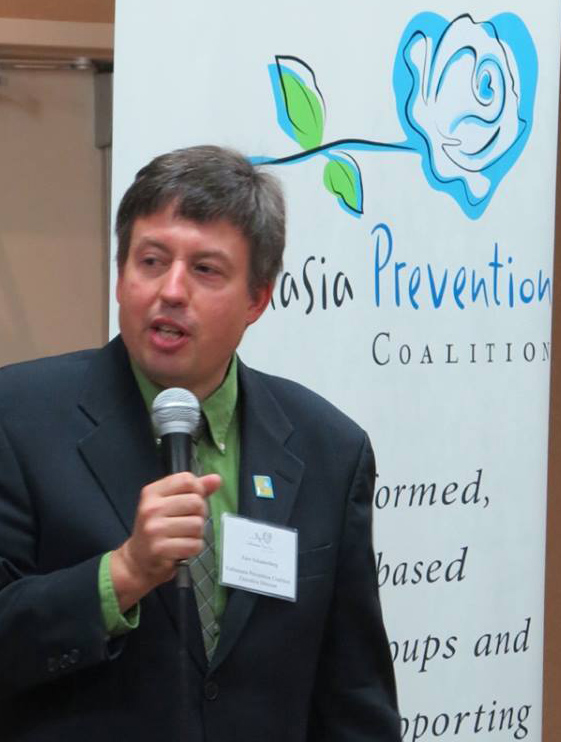
Alex Schadenberg
Executive Director, Euthanasia Prevention Coalition.


The media is reporting that there have been more than 6700 MAID deaths in Canada since it was legalized. I estimate that there have been at least 13,000 euthanasia deaths and here is how I defend this estimate.

First, the 6700 statistic was based on the Fourth Interim Report on Medical Assistance in Dying released by Health Canada on April 25, 2019 which stated that there were 6700 assisted deaths up to October 31, 2018. The data in the report from Quebec and the three Territories was incomplete. The Quebec data in the Health Canada report was up until March 31, 2018. (Link to my commentary on the report)

The Health Canada report was sloppy by stating that the number assisted deaths represented 1.12% of all deaths. The Health Canada report divided the number of reported assisted deaths into the total deaths, but they did not remove the total Quebec deaths from March 31 – October 31 from the equation.

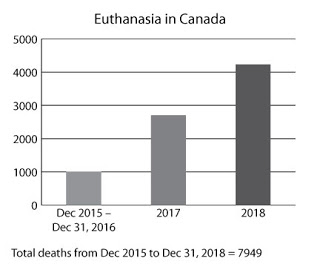
The accurate number of assisted deaths as of December 31, 2018, was 7949.

On March 21, 2019 I reported that there were 7949 assisted deaths in Canada as of December 31, 2018 representing 4235 assisted deaths in 2018, an increase of 50% over 2017, representing almost 1.5% all deaths in 2018. The data from my report was obtained from a presentation by Jocelyn Downie, an academic euthanasia activist, who spoke on March 15, 2019 to a Royal Society of Canada luncheon in Ottawa.

Similar to the Netherlands and Belgium, nearly all of the assisted deaths are euthanasia (lethal injection) rather than assisted suicide.

We don’t have national assisted death statistics for 2019 but we do have accurate data from Ontario and Alberta


The Ontario Office of the Chief Coroner sends monthly updates on the number of assisted deaths. According to the data there were 1789 reported assisted deaths in 2019, 1499 in 2018, 841 in 2017. There was almost a 20% increase in Ontario assisted deaths in 2019. What is more striking about the data is the increase in the second half of 2019 where there were 1015 assisted deaths in the second half of 2019 up from 774 in the first six months of 2019, meaning that Ontario will likely have more than 2000 assisted deaths in 2020.


Alberta Health Services updates there assisted death data regularly. The Alberta data indicates that there were 377 assisted deaths in 2019 up from 307 in 2018, and 206 in 2017. The data indicates a 23% increase in Alberta assisted deaths in 2019.

Since both Ontario and Alberta had approximately a 20% increase in 2019, I would assume that there was a similar increases nationally. Therefore there approximately 5000  (4235 + 20%) assisted deaths in Canada in 2019 and 13,000  assisted deaths since legalization. Even if the numbers were slightly lower than 5000 in 2019, today is January 20, so it is safe to say that there has been 13,000 assisted deaths since legalization.


But that is not the whole story.

Canada’s data collection system does not account for under-reporting of assisted deaths, but Quebec’s data collection system can account for under-reporting. Quebec employs a multi report system making it possible to uncover the number of times a physician didn’t report the assisted death.


Based on an analysis by Amy Hasbrouck and Taylor Hyatt, the Quebec interim report indicated that between April 1, 2017 – March 31, 2018 there were 142 unaccounted assisted deaths in the data representing 17% of all assisted deaths. The Quebec Interim report also indicated that 7 assisted deaths did not fit the criteria of the law, 22 assisted deaths did not follow procedural safeguards and in 67 assisted deaths, the physician did not provide the necessary information to determine if the patient fit the criteria of the law.


Based on the Quebec Interim report, if we extrapolate the data to all of Canada, it would suggest that there may have been more than 2000 (17%) unreported assisted deaths in Canada and approximately 60 assisted deaths that did not fit the criteria of the law.

This article is based on hard facts and conservative estimates. The fact is that Canada’s assisted death law is quickly going out of control. The recent federal government consultation, that employs biased questions, is not concerned about Canadians whose lives are taken without due process.

MAID in Canada: A Thankless Fight

This article was published by Convivium on January 20, 2020

Peter Stockland

As Canadians weigh in on prospective changes to MAiD laws, Peter Stockland sits down with Euthanasia Prevention Coalition’s Alex Schadenberg to discuss his serious concerns with the country’s trajectory.

By Peter Stockland

Alex Schadenberg has been leading the Euthanasia Prevention Coalition in the thankless fight against doctor-administered death for more than 20 years.

In the nearly 10 years that I’ve known him in that capacity, I’ve never heard him so close to almost terminal frustration. Irrepressible by apparent genetic disposition, Schadenberg continues to urge on the battle. But the federal government’s latest “public consultation” on revisions to the 2016 Medical Assistance in Dying law has him sending out signals of serious retrenchment.

“My focus is becoming far more heavily on how we protect our own,” the EPC executive director says with a discernible tinge of weariness in his voice. “It’s important (to remind) the whole compassionate care community, those who recognize the nature of the human person, that just because you think euthanasia is wrong doesn’t mean that in your own time of darkness, you will not also succumb. We have to recognize that’s how humans are and how we react.”

Alex Schadenberg

Schadenberg’s reaction to recent events in the pushing forward of MAiD is a far cry from his unwavering certainty a decade ago that euthanasia and assisted dying not only could, but would, be stopped by battling on all fronts from the legislative and legal to media-shaped popular opinion.

Long invariably irenic, he sounds incensed describing the fight that has blown up in B.C. where the provincial government has ordered a hospice in the Vancouver suburb of Delta to begin permitting medical assistance in dying contrary to its founding principles. But there is a special scorn in his voice for Ottawa’s online “consultations” that were launched Jan. 13 and will end next Monday.

*Delta Hospice Must Not Be Forced to do Euthanasia (Link).

Federal Justice Minister David Lametti and two of his Liberal cabinet colleagues are shepherding the process in response, at least purportedly, to a 2019 Quebec lower court ruling that found Ottawa’s MAiD law to be unconstitutional. A one-judge decision in September held that the Criminal Code cannot require death to be “foreseeable” before poison can be injected into a patient’s veins. An equivalent stipulation in a bill passed by Quebec’s National Assembly was also struck down. The judgement will have the force of law in the province by March 11.

*Guide to answering the Canadian MAID Consultation Questionnaire (Link).

Schadenberg scoffs at the very idea of the federal government asking the public for direction when it failed to even do its constitutional duty and appeal the low court verdict through the Quebec appeal courts and ultimately to the Supreme Court of Canada. He also finds it darkly laughable that Justice Minister Lametti is reassuring Canadians the decision applies only in Quebec.

“They (the federal government) know there’s not a judge in the land who’s going to let a prosecutor go after a physician for performing euthanasia on someone whose natural death was not reasonably foreseeable. It’s been decided by the Quebec court already, and whether I like it or you like it, it is a national decision and the law has technically been changed anyway,” he says.

In Schadenberg’s eyes, the online appeal for public advice is a “dog and pony show…a set up…almost a sham” for the foregone conclusion of expanding MAiD far beyond the initial limits embedded in the already-flawed 2016 federal legislation. He picks apart several of the questions being put to Canadians, particularly one that asks whether MAiD should be available only when doctor and patient agree reasonable efforts to relieve suffering have been tried without success.

“Writing the question the way they did assumes I agree MAiD should be available. But of course I don’t agree with that. They’ve very carefully left me no way, though, to answer that I don’t agree. I don’t like people playing with me or using me like that.”

Hard as it might seem, he fears there’s worse coming. The consultation does not ask, for example, about extending MAiD to children, something many of its advocates began pushing for almost before the ink was dry on the 2016 legislation. That might seem cause for relief – except to someone who’s been face first in the euthanasia and assisted suicide issue for more than two decades.

“It makes me think they’re not done yet,” Schadenberg says. “As much talking as they’ve done about adding children, maybe they didn’t think now was the right time to do it. They left children off this list because they’ll be back looking at another list of changes in the future.”

As bleak – and gruesomely cynical – as all that sounds, the warrior in him refuses to say “die” and abandon the field. He finds hope in the prospect of applying pressure at the provincial level to limit at least the worst excesses of administering medical aid in dying. Even Ottawa’s woeful attempt at ersatz public consultation is worth indulging if only to remind those opposed to euthanasia and assisted suicide that their defiance must remain stalwart in the darkest of times.

“Silence is not golden. I can’t just be quiet and hope it’s all going to turn out well in the end because I don’t think it will turn out well in the end if we stay quiet. So, please, participate. Who knows? This might be the best time of all to express your opposition.”

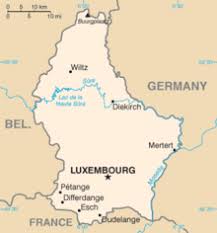
Luxembourg reports 71 euthanasia deaths in 10 years. The euthanasia lobby want more death.

Alex Schadenberg
Executive Director, Euthanasia Prevention Coalition

RTL News reported that Luxembourg has had 71 euthanasia deaths in the past 10 years, but the euthanasia lobby want more.

According to RTL news, a recent survey found that only 40% of the people in Luxembourg know that euthanasia is legal. The response by the euthanaia lobby is to promote more euthanasia.

The legalization of euthanasia in Luxembourg resulted in a constitutional crisis. Grand Duke Henri of Luxembourg refused to sign the bill into law forcing the Duchy of Luxembourg to change its constitution by removing the power of the Grand Duke to sign legislation before it becomes the law of the land.

Grand Duke Henri

Grand Duke Henri argued that the legalization of euthanasia was unnecessary because the fear of suffering for people with terminal conditions can be effectively treated by palliative care. He further argued that it was unjust to legalize the practise of killing people and that his conscience could not permit him to sign such a bill into law.

Grand Duke Henri was a Hero
. Very few world leaders have had the strength to stand up for justice and oppose euthanasia. Even though the Grand Duke could not stop the legalisation of euthanasia, he forced the Luxembourg Chamber of Deputies to change the constitution before it could enact into law the direct and intentional killing of its most vulnerable citizens by euthanasia.

Three Belgium doctors will go on trial in the euthanasia death of a woman diagnosed as Autistic.

Alex Schadenberg
Executive Director, Euthanasia Prevention Coalition

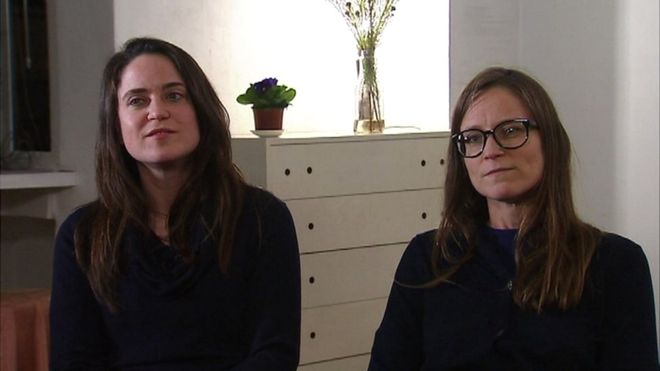
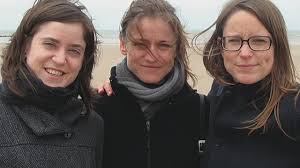
Tine Nys’s sisters, Sophie and Lotte

The trial of three Belgian doctors who participated in the euthanasia death of Tine Nys on April 27, 2010 will begin on Tuesday, January 21 in Ghent. A BBC news article reported

Nys’s family argue that her reason for seeking to end her life was because of a failed relationship, far short of the “serious and incurable disorder” as required under Belgian law. 

The three doctors from East Flanders who are going on trial have not been named, but they include the doctor who carried out the lethal injection and Nys’s former doctor and a psychiatrist.

Tine Nys (center)

The Associated Press (AP) article from November 2018 provides more information about the charges. The AP article states that Nys (38) had been diagnosed as having a form of Autism known as Asperger’s.

A International Business Times article reported in November 2018 that the family believes that Tine was falsely diagnosed as Autistic so that she would qualify for euthanasia. The family claimed that the law was broken because Tine never received treatment. The IBTimes reported:

Her sisters, however, told investigators that her suffering was caused by a broken heart after a failed relationship and not by autism. They also accused the doctors of making a rushed decision. They said the law was broken because Nys was never treated for autism and hence it had not been proven that she was suffering “unbearably and incurably.”

Dr Lieve Thienpont

The AP article reported that Psychiatrist, Lieve Thienpont, who had approved the death, had tried to prevent thee case from being prosecuted and reportedly stated:

“We must try to stop these people,” 

“It is a seriously dysfunctional, wounded, traumatized family with very little empathy and respect for others,”

Thienpont has been criticized for her handling of other psychiatric euthanasia cases.

It is positive that Belgium is prosecuting this case. I hope that this case is treated as a criminal case rather than using this case to establish a precedent for future euthanasia deaths for psychological suffering.

Science & Technology: Innovative Fluid Could Help Expand Fractures in Enhanced Geothermal Systems

PNNL Fracturing Fluid: Cost-effective Option for Geothermal Energy (PNNL)

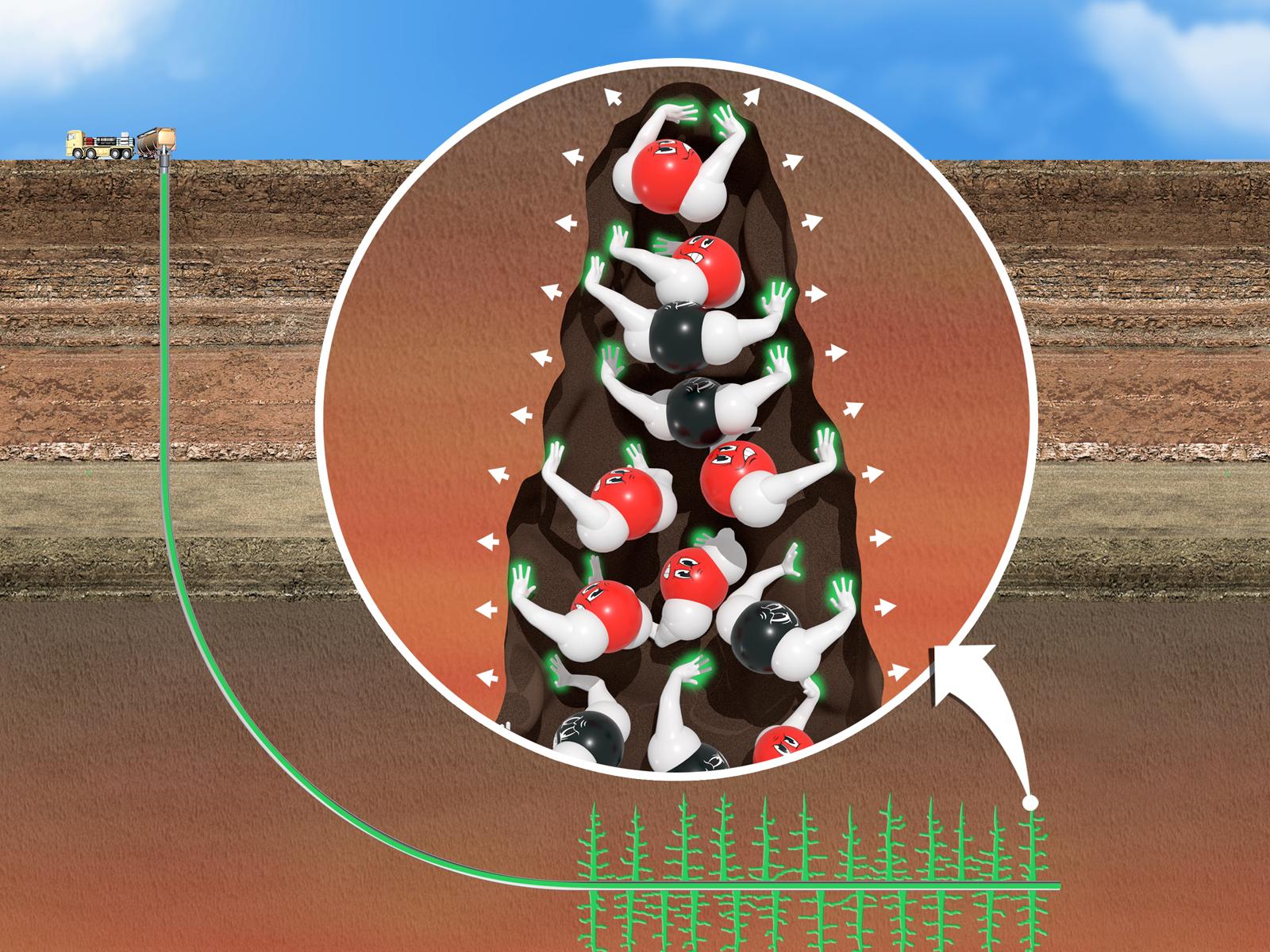
Researchers identified two processes that generate larger rock fractures at lower pressures using StimuFrac™

With funding and technical support from the U.S. Department of Energy’s Geothermal Technologies Office (GTO), Pacific Northwest National Laboratory (PNNL) came up with an alternative. Researchers developed an eco-friendly fracturing fluid called StimuFrac™ that leverages lower pressures to fracture highly impermeable rocks in EGSs. StimuFrac addresses this significant EGS challenge by creating potentially safer, cost-effective fractures that penetrate high-temperature reservoirs. The PNNL team recently identified two processes that generate larger rock fractures at lower pressures when StimuFrac is used.

“After six years since the conception of this technology, we now know how it works,” PNNL chemist Carlos A. Fernandez said. “We knew the benefits of StimuFrac but didn’t understand the mechanism for fracturing at lower pressures compared to the conventional fluids until now.”

The PNNL team published findings about two processes that confirmed StimuFrac’s potential in the American Chemical Society journal Sustainable Chemistry and Engineering. Researchers conducted a computational and experimental study of StimuFrac, determining that it consistently fractures rock material at lower pressures compared to conventional hydraulic and waterless fluids.

Researchers are now evaluating different injection strategies in foot-scale rock samples to identify injection strategies that show promise for potential field deployment. PNNL is seeking industrial partners to transition this technology to the field within the next two years, Fernandez said.

Read More………

Design a site like this with WordPress.com
Get started